

Travel Health Checklist for Hajj & Umrah: Vaccines, Documents, and Safety Tips
Hajj vaccination and Umrah vaccination are crucial health prerequisites for pilgrims travelling to Saudi Arabia, especially in view of the risk of infectious disease spreading in huge gatherings. The meningococcal vaccine is compulsory, while other vaccines may be advised depending on your individual risk and health status. Thorough preparation helps in travelling in a safer way and at the same time reduces the chances of facing problems.
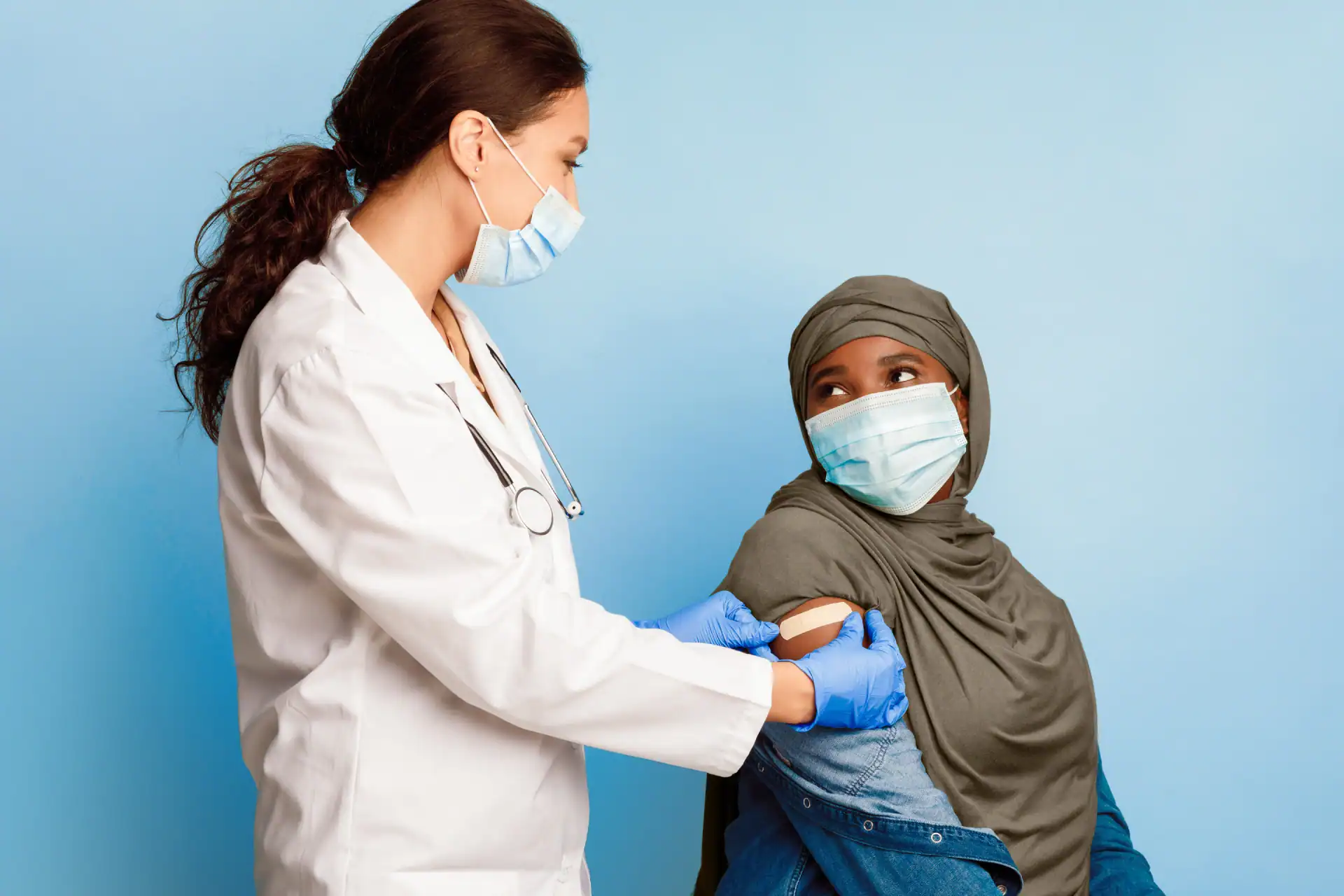
Going for Hajj or Umrah means you will be among a large number of people very frequently. So you should know that your risk of coming in touch with respiratory infections and other communicable diseases will increase. According to clinical results, mass gatherings like Hajj have been found to cause an increase in transmission rates of infectious diseases because of crowd density and other factors in the environment (Memish et al. 2016). Preparation well in advance, including vaccination and planning for health, will definitely reduce these risks.
Compulsory Hajj Vaccination and Umrah Vaccination Conditions
You have to get vaccinated for the meningococcal (ACWY) vaccine as Hajj and Umrah vaccination requirements. This vaccine guards against meningococcal meningitis. The infection has been identified as one of the causes of epidemics during pilgrimage due to overcrowding (Al-Tawfiq & Memish, 2016). You have to get vaccinated within a specified period of validity before travelling and provide documents for the visa application. It has been confirmed that with the help of large-scale vaccination, the transmission among the pilgrims has been brought down to a great level (Wilder-Smith et al. 2019).
Recommended Vaccines for Additional Protection
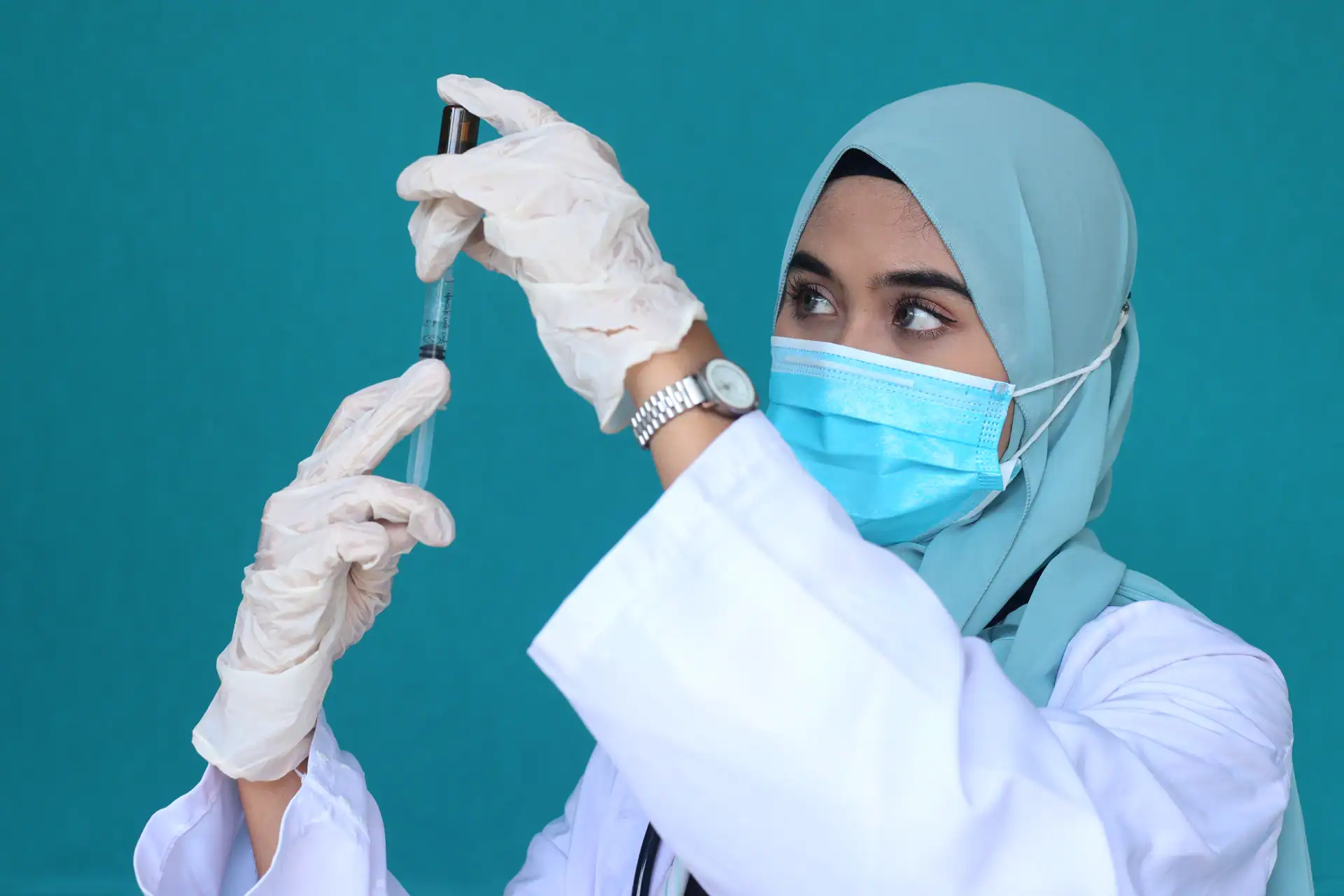
Besides the compulsory vaccine, other vaccines are highly suggested to mitigate the risks even more. The flu jab is highly recommended as there are lots of respiratory infections at the time of Hajj and Umrah (Gautret et al. 2017). Consultation about the pneumococcal vaccine for senior citizens and people with chronic diseases could be beneficial. Regular immunisations like measles, mumps, and rubella should be done. These extra steps add to the safety during the trip.
Timing and Preparation Before Travel
It is a good practice to get the shots at least 10-14 days before the travel date so that enough immunity can be built. This guarantees that the protection lasts throughout the pilgrimage time. Making an appointment for a hajj vaccine in Singapore gives the advantage of fulfilling medical as well as administrative requirements. Besides, the right timing will also mean that you will have enough time for a second dose if needed, and it will be less stressful for your health at the last moment.
Required Documents for Pilgrimage Travel
Pilgrims should always have with them some essential travel and medical documents on their journey. These are a legitimate passport, visa, evidence of Hajj vaccination, and Umrah vaccination. Besides that, people suffering from long-term illnesses should carry medical records as well as documents related to travel insurance. Having these papers with them will not only help them in complying with travel rules but will also facilitate getting healthcare if needed.
Managing Existing Medical Conditions
Those with chronic disorders like diabetes, high blood pressure, or lung problems must seek medical advice before embarking on a journey. Correct handling of the health condition is a major factor that can minimise the risk of ailments happening during the pilgrimage. Medical research points out that people with pre-existing health problems are particularly at risk during large public gatherings (Yezli et al. 2022). Holding medications and having printed prescriptions on hand are critical for uninterrupted healthcare.
Personal Hygiene and Infection Prevention
Keeping clean is a very powerful defensive tool against germs and viruses at Hajj and Umrah. Regularly washing hands, using hand sanitisers, and putting on masks in crowded places are some of the ways one can protect oneself from getting infections. Besides, staying away from people who look sick is still the recommended way to stay away from the virus. In addition to Hajj vaccination and Umrah vaccination, these measures play their roles in combating the spread of illnesses (Gautret et al. 2017).
Hydration and Heat Safety
Under scorching weather conditions, pilgrims may suffer from dehydration and other heat-related disorders. One should drink enough water to stay hydrated. One can also keep oneself comfortable in the heat by wearing cooler garments and staying away from the sun as much as possible. Getting to the point where you feel symptoms like tiredness or light-headedness is an indication to act.
Comparison of Mandatory and Recommended Vaccines
| Aspect | Mandatory Vaccines | Recommended Vaccines |
|---|---|---|
| Requirement | Required for visa and entry | Advised based on risk |
| Example | Meningococcal (ACWY) | Influenza, pneumococcal |
| Purpose | Prevent serious outbreaks | Reduce additional risk |
| Application | All pilgrims | High-risk individuals |
| Documentation | Mandatory proof required | Not always required |
Key Points
-
Hajj vaccination and Umrah vaccination are required for safe travel.
-
The meningococcal vaccine is mandatory for all pilgrims.
-
Additional vaccines provide broader protection.
-
Early vaccination ensures effective immunity.
-
Proper documentation is essential for travel.
-
Hygiene and safety measures reduce infection risk.
Conclusion
One of the crucial aspects and deciding factors for a safe pilgrimage for the Hajj and Umrah pilgrims is the respective Hajj vaccination and Umrah vaccination. Carrying out the line of vaccination, in combination with preparing the necessary documents and strictly observing the preventive measures, will certainly help to contribute to the limitation of the health risks of travel. AcuMed provides structured vaccination planning and medical guidance to support safe and compliant pilgrimage journeys.